


Does It Hurt to Get Fillings? What to Expect

The word “filling” sounds simple enough. The drilling, however, is probably the part most people would rather not think about. “Does it hurt to get fillings?” is a question we get asked a lot.
Fortunately, getting a dental filling is generally a straightforward procedure. Modern dental techniques and local anaesthetic mean that most patients should not experience pain while the filling is being placed. You may still notice some pressure, vibration and unusual sensations, but these are different from the sharp pain you might be expecting.
Knowing what happens during the procedure can also make the whole experience feel much less daunting. So, if you have been told you need a filling, here is what you can expect from the moment you sit in the dental chair to the hours and days afterwards.
Why Do You Need a Dental Filling?
A filling is used to repair a tooth that has been damaged by decay.
When bacteria and plaque build up on the teeth, they can produce acids that gradually wear away the tooth’s enamel. Over time, this can create a cavity. A filling allows your dentist to remove the decayed part of the tooth and restore the area with a suitable filling material.
Not every cavity causes pain. In fact, you can sometimes have tooth decay without noticing anything unusual. This is why a cavity may be discovered during a routine dental examination or on an X-ray before it becomes painful.
Treating decay while it is still relatively small can also help prevent the problem from progressing and potentially requiring more extensive treatment.
Does Getting a Filling Hurt?
For most patients, getting a filling should not be painful. Your dentist may use a local anaesthetic to numb the tooth and surrounding area before starting treatment. You may feel a brief pinch or sting when the anaesthetic is administered, but this usually passes quickly.
Once the area is numb, your dentist will check that you are comfortable before beginning the procedure.
You are still likely to feel some things while the dentist works. You may feel pressure against the tooth, vibrations from the dental instruments, or movement around your mouth. You will also hear the equipment, which can sometimes make the procedure seem more dramatic than it actually feels.
The important thing is that you should not have to sit through sharp or significant pain. If you do feel pain during a filling, let your dentist know so they can stop and make sure you are properly numb before continuing.
What Happens During a Filling?
A dental filling usually involves a few simple steps.
1. Your Dentist Checks the Tooth
Your dentist will examine the tooth to see how much decay is present. They may also take an X-ray to check how deep the cavity is. They will then confirm whether a filling is the right treatment and explain what will happen.
2. The Tooth Is Numbed
If needed, your dentist will use a local anaesthetic to numb the area. You may feel a quick pinch or sting from the injection. Once the anaesthetic takes effect, the tooth and surrounding area should feel numb. Your dentist will check this before starting.
3. The Decay Is Removed
Your dentist will remove the decayed part of the tooth using dental instruments. You may hear the drill and feel some pressure or vibration, but you should not feel pain while the area is numb.
4. The Tooth Is Filled
After removing the decay, your dentist will clean and prepare the tooth. They will choose a suitable filling material based on the tooth and the size of the cavity. The filling is then placed and shaped to restore the tooth.
5. Your Bite Is Checked
Finally, your dentist will check that the filling fits comfortably with your other teeth. You may be asked to bite down gently. If the filling feels too high, your dentist can make a small adjustment.
And that’s it. The filling is complete.
What Does a Filling Feel Like Afterwards?
Your mouth may feel strange after you leave the dentist, especially while the local anaesthetic is still working.
You may notice:
- A numb lip, cheek or tongue
- Mild sensitivity
- A slightly different feeling in the treated tooth
- Sensitivity to hot or cold food and drinks
The numbness can last for a few hours. Avoid eating until it wears off, as you could accidentally bite your cheek, lip or tongue. Mild sensitivity after a filling is common and often improves as the tooth settles.
How Long Does Sensitivity After a Filling Last?
Sensitivity can last for a short time after treatment, especially if the cavity was deep.
It should gradually improve. Contact your dentist if you have:
- Severe or worsening pain
- Sensitivity that does not improve
- Pain when biting down
- Ongoing discomfort in the treated tooth
Your dentist can check the filling and make sure there are no further problems.
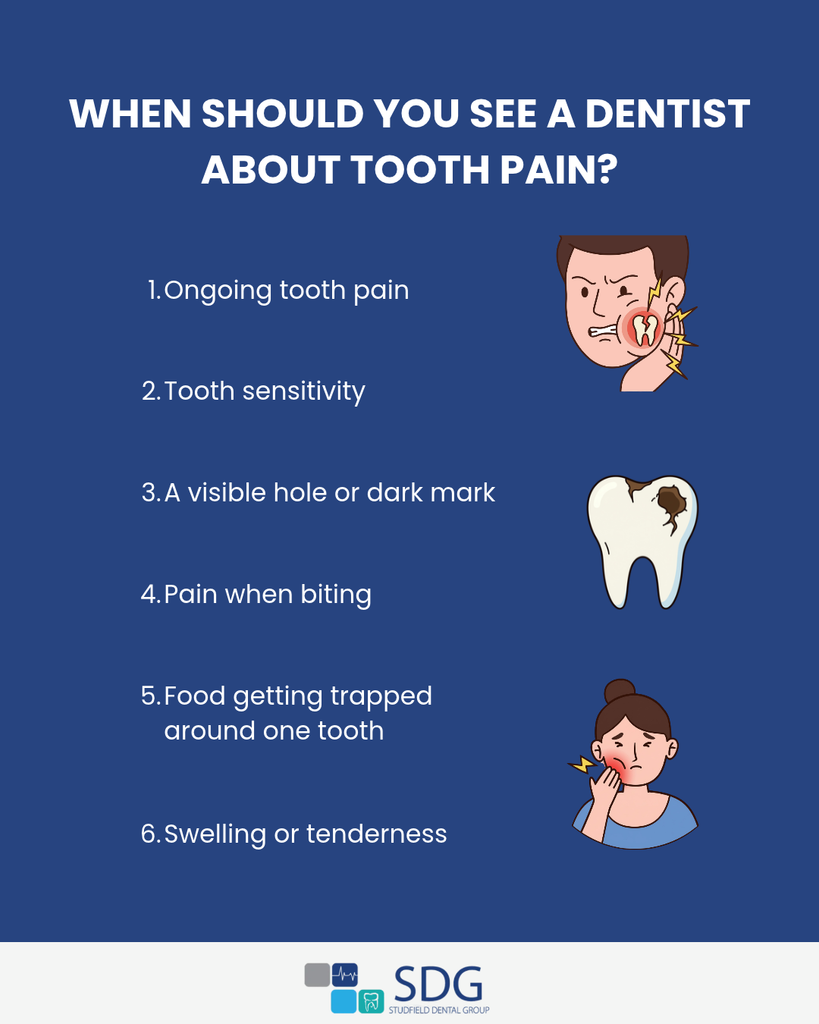
Some cavities do not cause symptoms, so regular dental check-ups are important.
Treating tooth decay early can help prevent it from becoming more serious. Without treatment, a cavity may eventually affect the deeper parts of the tooth and require more complex care.
So, does it hurt to get fillings?
For most people, getting a filling should not be painful. Local anaesthetic numbs the area while your dentist removes the decay and repairs the tooth. You may feel only a brief pinch from the injection, pressure and mild sensitivity afterwards.
If you are worried about getting a filling, speak to your dentist before treatment. Knowing what to expect can make the appointment feel easier.
At SDG Dental, we want you to feel comfortable and informed about your dental care. If you have tooth pain, sensitivity or have been told you need a filling, book an appointment with our team so we can assess your tooth and recommend the right treatment.