


Are Tooth Gems Bad For Your Teeth?
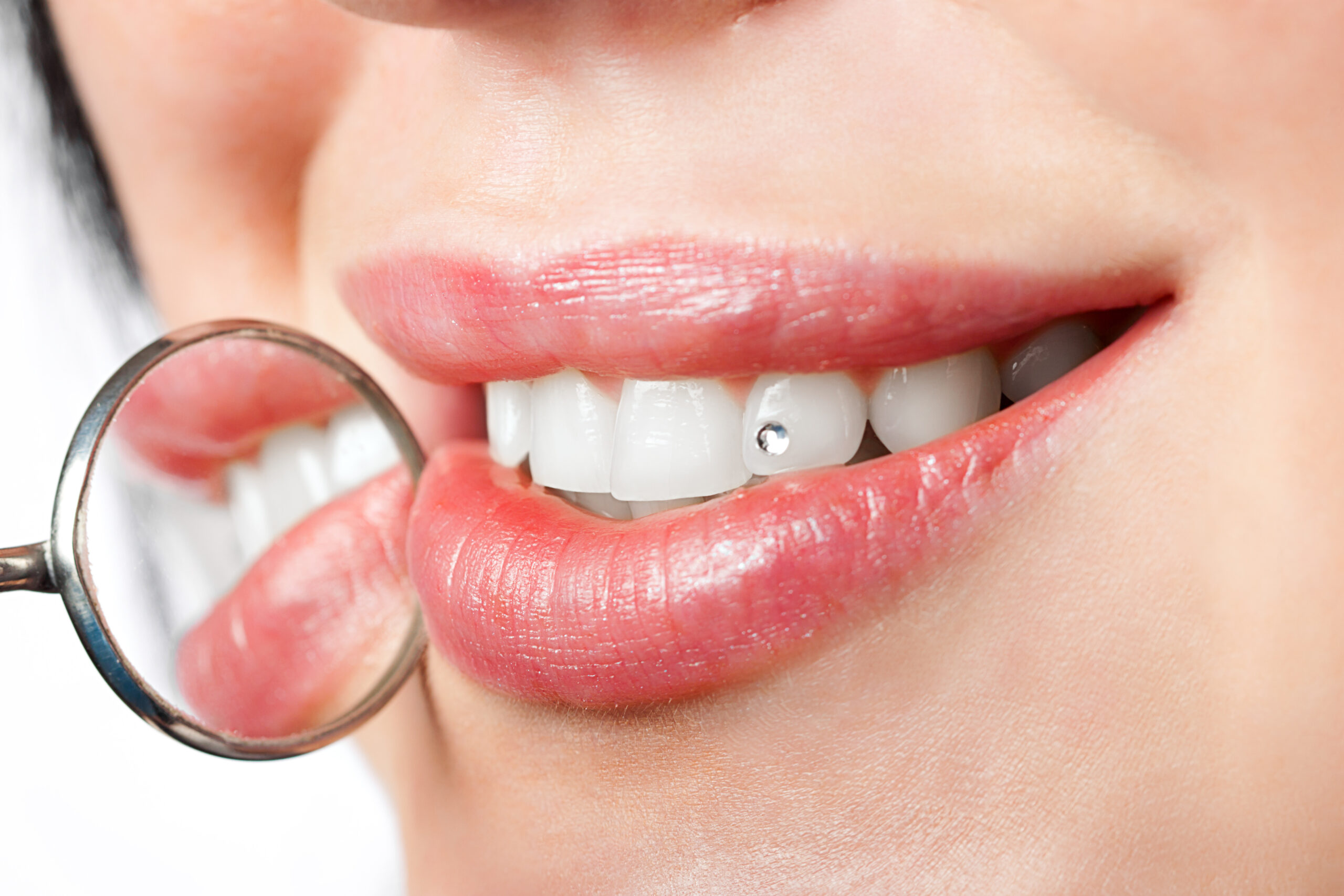
A tiny crystal on your tooth might look like harmless fun, but your smile is not just a fashion accessory. Tooth gems have made a strong comeback, popping up across social media and celebrity culture. They’re subtle, eye-catching and relatively easy to apply. But the real question stands – what are they actually doing to your teeth?
The answer is that it depends on how they’re applied, how they’re maintained and how much you value the long-term health of your enamel.
Let’s unpack it properly.
What Are Tooth Gems?
Tooth gems are small decorative stones or crystals that are bonded to the surface of a tooth, usually on the front teeth, where they’re most visible. They don’t require drilling in most cases, which is why they’re often marketed as a “non-invasive” cosmetic option.
They’re typically attached using dental adhesive, similar to what’s used for orthodontic brackets. Sounds simple enough. But simple doesn’t always mean risk-free.
The Appeal: Why People Love Tooth Gems
There’s no denying the appeal. Tooth gems offer a quick cosmetic change without permanent alteration, a way to personalise your smile, and a relatively affordable trend compared to other cosmetic treatments
For many, it feels like a low-commitment way to enhance their look. And when done correctly, they can sit comfortably on the tooth without causing immediate damage.
But that’s only part of the story.
Are Tooth Gems Actually Bad for Your Teeth?
Tooth gems aren’t inherently damaging, but they do come with risks. Especially when applied or removed incorrectly.
1. Enamel Damage Is a Real Concern
Your enamel is the protective outer layer of your tooth. Once it’s damaged, it doesn’t grow back.
If a tooth gem is applied using improper techniques or low-quality adhesive, it can weaken the enamel surface. Even worse, attempting to remove it at home can lead to scratching or chipping.
Dental clinics see cases where DIY removal caused more harm than the gem ever did.
2. Increased Risk of Plaque Build-Up
A smooth tooth surface is easier to clean. Add a gem, and suddenly you’ve created a tiny obstacle where plaque can gather.
This can lead to tooth decay, discolouration around the gem and gum irritation.
Even with excellent oral hygiene, cleaning around a gem is more difficult than it looks.
3. Potential for Gum Irritation
If the gem is placed too close to the gum line or if excess adhesive is left behind, it can irritate the surrounding gum tissue. This might not be noticeable straight away, but over time it can contribute to inflammation or sensitivity.
4. Risk of Accidental Damage
Tooth gems are small, but they’re not indestructible.
Biting into hard foods or grinding your teeth can loosen the gem, cause it to fall off unexpectedly or even damage the tooth surface beneath.
There’s also the risk of swallowing the gem if it comes loose. Yikes!
Professional Application vs DIY Kits
This is where things really matter.
Professional Application
When applied by a dental professional, tooth gems are:
- Placed using safe, dental-grade materials
- Positioned carefully to avoid gum irritation
- Bonded in a way that minimises enamel damage
Our priority is to always protect the underlying tooth structure.
DIY Kits and Beauty Salons
DIY kits and non-dental applications are where most problems begin.
These often involve:
- Unregulated adhesives
- Poor placement techniques
- Lack of proper sterilisation
The result? Higher risk of enamel damage, infections, and uneven bonding.
If you’re considering a tooth gem, this is not the place to cut corners.
What Happens When You Remove a Tooth Gem?
Removal is just as important as application.
A professionally removed gem should leave minimal impact on your tooth. However, there may still be slight changes such as:
- Mild surface roughness
- Residual adhesive that needs polishing
- Slight discolouration if plaque has built up around the gem
Attempting to remove a gem yourself can cause permanent damage. It’s simply not worth the risk.
How to Protect Your Teeth If You Get a Tooth Gem
If you decide to go ahead, here’s how to minimise the risks:
- Keep Your Oral Hygiene Spot On
Brush twice daily and pay extra attention to the area around the tooth gem. Flossing is non-negotiable.
- Avoid Hard or Sticky Foods
These can loosen the gem or damage the bond.
- Don’t Pick at It
It might be tempting, but touching or picking at the gem can weaken the adhesive and damage your enamel.
- Schedule Regular Dental Check-Ups
Our team at SDG Dental can monitor the gem and ensure it’s not causing any hidden issues.
A Healthier Alternative?
If you’re after a brighter, more noticeable smile, there are safer long-term options.
Treatments like professional whitening or a smile makeover can enhance your smile without introducing the same risks associated with tooth gems.
They may not sparkle in the same way, but they will support your dental health rather than challenge it.
At SDG Dental, our approach is simple. We support aesthetic choices, but never at the expense of your oral health. If you’re considering a tooth gem, it’s always best to have a proper consultation first.
A little sparkle can be fun. A healthy smile lasts longer.
Contact us for more today!